
Getting Out: Cult Recovery, Religious Trauma, and How to Help Someone Leave
An ex-Mormon turned religious trauma therapist provides advice about what it takes to leave a cult—whether that person is you or someone you love.
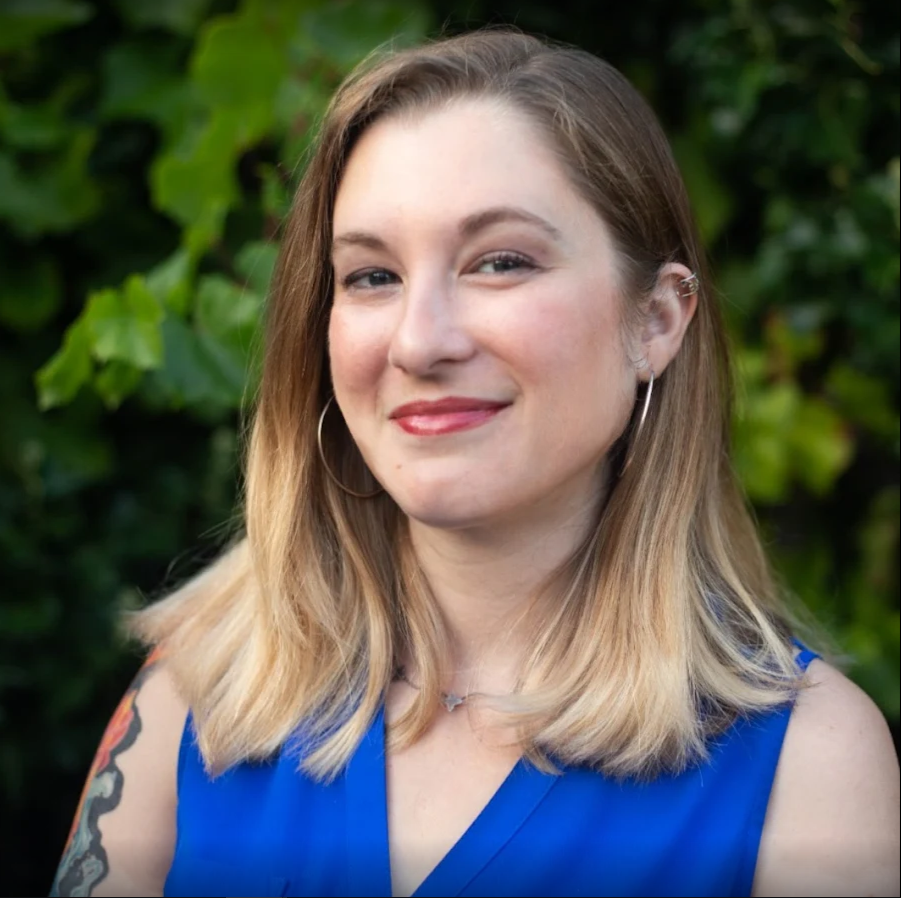
Dr. Tanya Johnson is a licensed mental health counselor, clinical supervisor, and professor with specializations in religious trauma and cult recovery, neurodivergence, and cross-cultural communication.
When it comes to cults–from MLM to MAGA–the question everyone wants answered is: how do I get my loved one out? In this episode, Dr. Mara Einstein tackles that question with Dr. Tanya Johnson, a therapist specializing in religious trauma, cult recovery, and high-control groups. She explains the cult recovery process while providing insights from her experience growing up Mormon.
In this episode
● How doubt begins—and why leaving takes time
Mormonism is not just religion but culture—shaping school, family life, and expectations. Dr. Johnson shares how her certainty in the faith and the culture eroded slowly: the strain of “making it make sense,” and the emotional toll of even considering “what if it isn’t true?” She discusses how committed belief can coexist with internal conflict for years.
● “Shelf break”: the moment the logic collapses
The ex-Mormon concept of a “shelf” is the mental place where contradictions get stored with the expectation they’ll resolve later. This metaphor is used broadly in the cult recovery community. Dr. Johnson recounts her own shelf-break moment. She explains that belief isn’t simply a choice, especially when an entire worldview depends on rigid truth claims, as what happens in cults.
● Honor codes, control, and the cost of compliance
High-control groups enforce behavior through institutional and social consequences. Compliance can become existential—impacting education, relationships, and identity—long after doubts begin.
● After leaving: grief, anger, identity, and community loss
Leaving isn’t just “finding a new church.” The aftermath is disorienting, often like a death and a divorce at the same time: loss of community, loss of an organizing story about life, and grief over decisions made inside a system that no longer feels true. Within this process, anger is a necessary phase, but there are dangers in getting stuck there keeping people from taking on “ex-member” as their new identity.
● How to recognize a cult or high-control group
Dr. Johnson references Steven Hassan’s BITE Model as a useful framework, then adds her own lens: “location of authority.” Who has the final say about your life—internal authority (you) or external authority (the group/leader/system)? The more a group demands obedience to an external authority over your own judgment, the more “high-control” it is.
● If you’re trying to help someone who’s still inside
Clichés, fear-based indoctrination, and isolation keep people stuck because they quash individual thinking. This is why facts and arguments often fail. Strategies that tend to work include maintaining relationships, asking calm questions that invite the person to think, and ensuring there’s somewhere nonjudgmental to land when clarity arrives—without the “I told you so.”
● For therapists: what clinicians need to know
Many therapists aren’t trained for religious trauma and cult recovery. Clients from high-control groups seeking help may instinctively transfer authority to the therapist. A key clinical task is repeatedly handing that authority back—supporting the client in rebuilding internal decision-making, tolerating uncertainty, and reclaiming autonomy.
About the guest
Dr. Tanya Johnson is a licensed mental health counselor, clinical supervisor, and professor with specializations in religious trauma and cult recovery, neurodivergence, and cross-cultural communication. As a Cuban-American, queer, neurodivergent ex-Mormon, Dr. Tanya blends personal insight and over 15 years of clinical experience to her work. She supports clients through her private practice, Evolve Counseling Center, mentors early-career therapists in her membership community, Colorful Minds Collective, and teaches counseling students as an adjunct professor at Antioch University. Based in Miami, Florida, Dr. Tanya is licensed in both Florida and Washington State. She holds a BS in Psychology from the University of Utah, an MA in Counseling from Liberty University, and a PhD in Counseling with a specialization in Marital and Family Therapy from Barry University.
Counseling: www.evolvecounselingcenter.com
Colorful Minds Collective: www.colorfulmindscollective.com
About the host
Dr. Mara Einstein spent a decade in corporate marketing working for some of the world’s biggest brands before turning her focus to exposing the industry’s inner workings. Now a tenured professor of media studies at CUNY, she’s dedicated to helping people understand how marketing shapes what we buy, what we believe, and even who we think we are. With a background spanning business, media, and the arts, Dr. Einstein brings sharp insight and humor to the systems that sell us our identities—and the power we have to push back.
Pick up Dr. Einstein’s book Hoodwinked: How Marketers Use the Same Tactics as Cults on
Bookshop.org (and beyond): https://bookshop.org/a/116018/9781493086153
Website: https://www.drmaraeinstein.com
Books: https://www.drmaraeinstein.com/writing
Instagram, TikTok, Threads: @drmaraeinstein
YouTube: https://www.youtube.com/@Drmaraeinstein
Credits
Production: Multitude
Lead Producer & Editor: Bren Frederick
Music: Marc Langer
Cover art: Cayla Einstein